You know a sweepstakes win is real when it comes with zero payment requests, references a specific entry you actually remember making, and can be verified directly through the sponsor’s official website or customer service line. Sweepstakes scams cost Americans hundreds of millions of dollars every year, and the line between a legitimate prize notification and a con is often just a few small details that most people never think to check. Once you know what to look for, telling the two apart takes about two minutes.
What Makes a Sweepstakes Notification Legitimate?
Real prize notifications share a few consistent traits. Fake ones almost always miss at least one.
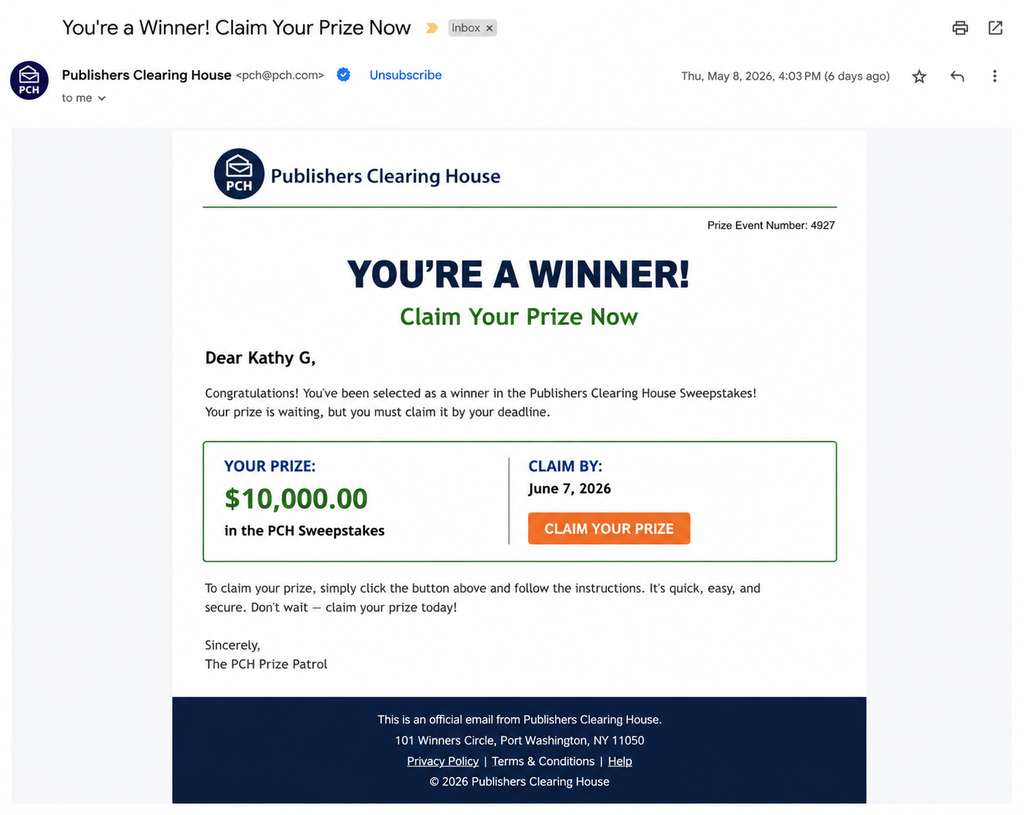
- It references an entry you remember. Legitimate sponsors know your entry number, the specific sweepstakes name, and sometimes the date you entered.
- It never asks for money upfront. Not for taxes, not for “processing,” not for shipping.
- It comes from an official domain or number. Not a Gmail address pretending to be a Fortune 500 company.
- The prize amount is realistic. A random sweepstakes claiming you won $2.5 million when you only remember entering a $50 giveaway should raise an eyebrow immediately.
How Do You Verify a Prize Notification Is Real?
Don’t click anything in the message. That’s step one, and it’s non-negotiable.
- Go directly to the sponsor’s official website by typing the URL yourself, not clicking a link.
- Call the company’s published customer service number, found on their real site, not the one listed in the notification.
- Search the sweepstakes name plus “scam” — if others have flagged it, you’ll find out fast.
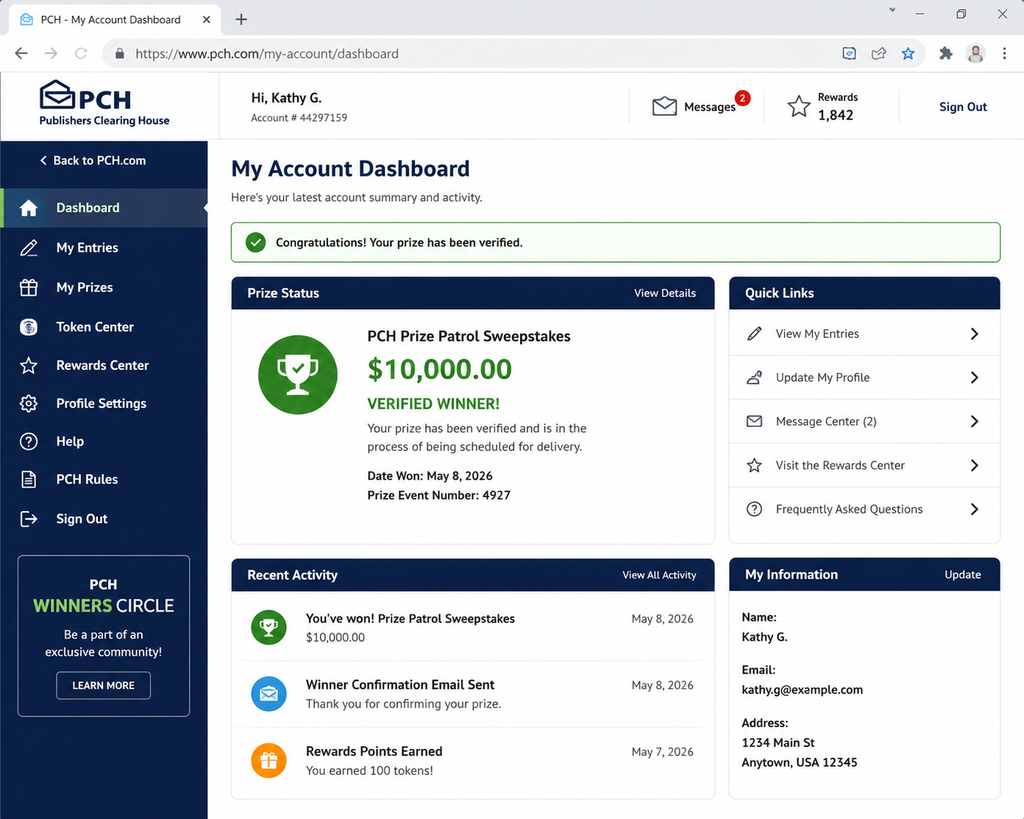
- Check your own entry history, if the sponsor has an account system. Legitimate wins usually show up there too.
What Do Real Terms and Conditions Look Like?
Every legitimate sweepstakes has official rules published somewhere public — usually linked at the bottom of the sponsor’s site. These rules spell out eligibility, odds of winning, and how winners are selected. If a “win” doesn’t correspond to any published rules you can find anywhere online, that’s a real problem.
Real Experience & What Most People Get Wrong
I’ve been entering sweepstakes seriously for over a decade, and the mistake I see most often isn’t falling for obvious scams. It’s ignoring gut instinct on borderline cases.
People assume scams look sloppy. They don’t anymore. I’ve seen fake notifications with correct company logos, matching brand colors, and professional formatting that would fool almost anyone scanning quickly on a phone.
Here’s something nobody mentions: legitimate companies almost never contact winners exclusively through social media DMs. In my experience, if the first and only contact is an Instagram message from an account with 200 followers claiming to represent a major brand, that’s the whole story right there.
One habit that’s saved me more than once — I keep a simple list of every sweepstakes I actually enter, with dates. When a “win” notification arrives, I check it against that list first. Takes ten seconds and eliminates most scams instantly.
Scam Warning: Red Flags to Watch For
- Requests for payment of any kind — taxes, fees, shipping — before receiving a prize.
- Urgency and pressure, like “respond within 24 hours or forfeit your prize.”
- Poor-quality or mismatched sender addresses, even if the message itself looks polished.
- Requests for sensitive info upfront — Social Security numbers, bank details, or gift card codes.
- No record of you entering anything resembling that sweepstakes.
Verify by contacting the company directly through channels you find yourself, never through the notification itself.
Frequently Asked Questions
How do I know if I really won a sweepstakes?
Check whether the notification references a real entry you made, comes from an official domain, and never asks for upfront payment. If all three check out, it’s very likely genuine.
Do legitimate sweepstakes ask for personal information?
Yes, but only basic details for prize fulfillment, like your mailing address, after you’ve verified the win independently — never Social Security or bank info via email.
Can you lose money by winning a fake sweepstakes?
Yes, scammers often request “taxes” or “fees” upfront, which is the actual scam. Real sweepstakes never require payment to release a prize.
A real sweepstakes win never costs you anything upfront and always traces back to an entry you actually remember making. When in doubt, verify independently through the sponsor’s official channels — that one habit alone blocks nearly every sweepstakes scam out there.